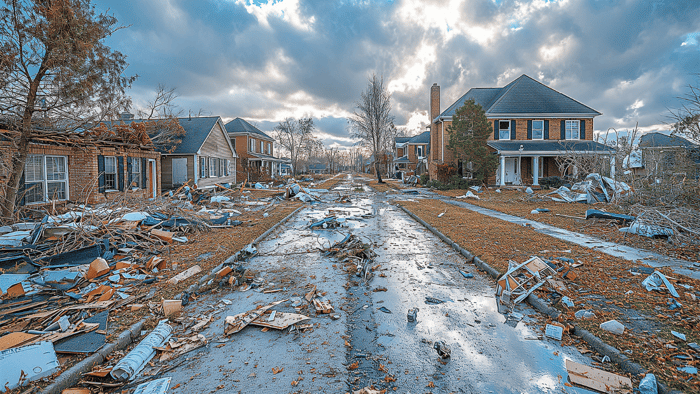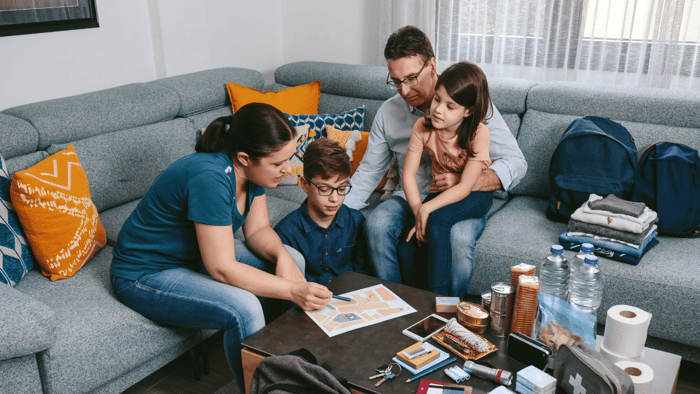

A California earthquake preparedness checklist can make getting ready feel far more manageable. You do not need to prepare for every possible situation in one weekend. Start with the actions that reduce injury risk, help your household communicate, and keep essential supplies within reach.
This guide covers what to do before, during, and after an earthquake, along with practical earthquake safety tips for organizing your home. Work through one section at a time, then review your supplies, contacts, and household needs at least once a year.
Table of Contents
- How to Use This California Earthquake Preparedness Checklist
- 1. Practice Drop Cover and Hold On
- 2. Set Up California Earthquake Alerts
- 3. Secure Furniture and Household Hazards
- 4. Build an Earthquake Emergency Kit
- 5. Create a Family Emergency Plan
- 6. Protect Documents and Review Insurance
- 7. Know What to Do After the Shaking Stops
- 8. Reduce Clutter and Keep Walkways Clear
- Download the Printable California Earthquake Preparedness Checklist
- FAQs
- Build Your Plan One Step at a Time
How to Use This California Earthquake Preparedness Checklist
Begin with the steps that cost little or nothing. Practice the recommended safety action, identify household hazards, choose meeting locations, and make a list of missing emergency supplies.
Then schedule larger projects, such as anchoring tall furniture or securing a water heater, when you have the proper tools or professional help. Keep a printed copy of this California earthquake preparedness checklist where everyone can find it.
Households with children, older adults, pets, disabilities, medical equipment, or specific communication needs should adapt each step accordingly.
1. Practice Drop Cover and Hold On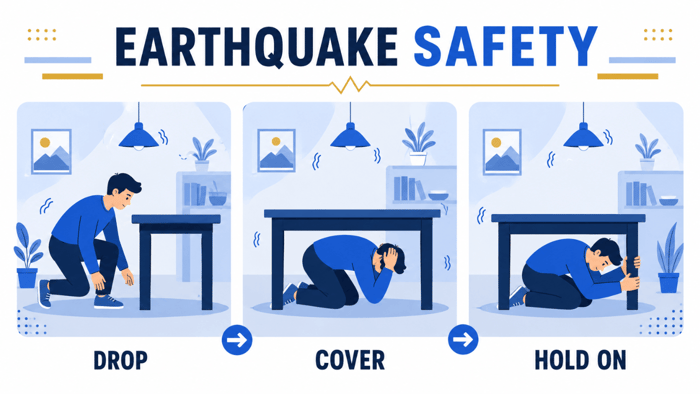
When shaking begins, the recommended action in most situations is Drop, Cover, and Hold On:
- Drop to your hands and knees so the shaking does not knock you down.
- Cover your head and neck. If a sturdy table or desk is nearby, get underneath it.
- Hold On to your shelter and be ready to move with it until the shaking stops.
Do not run outside while the building is shaking, and do not rely on a doorway. Modern doorways generally do not provide special protection, while moving toward one can expose you to falling or swinging objects.
Practice Drop Cover and Hold On with everyone in your household. A short drill helps the action feel familiar, especially for children. International ShakeOut Day occurs on the third Thursday of October and provides an annual reminder to practice and review your plan.
2. Set Up California Earthquake Alerts
California residents can receive earthquake warnings through the MyShake app, Android Earthquake Alerts, and Wireless Emergency Alerts. These systems may provide seconds of notice before stronger shaking reaches your location, although warning time varies.
Download the free MyShake app and review its notification settings. Android users should also confirm that earthquake alerts and emergency notifications are enabled. When you receive an alert or feel shaking, take protective action immediately.
An alert is not a prediction that an earthquake will occur in the future. The system detects an earthquake that has already started and estimates where shaking may be felt.
3. Secure Furniture and Household Hazards
Earthquake preparedness at home includes reducing the number of items that can fall, slide, shatter, or block an exit. Walk through each room and imagine the space being shaken from side to side.
Anchor Tall and Heavy Furniture
Secure bookcases, dressers, cabinets, televisions, and other top-heavy items to wall studs using hardware intended for the item and wall type. Move unstable furniture away from beds, sofas, desks, and common walkways.
A water heater should be secured to wall studs with appropriate metal straps. Local requirements and installation methods vary, so use approved hardware and qualified help when necessary.
Move Heavy and Breakable Items Lower
Place heavy boxes, appliances, glassware, and large decorative objects on lower shelves. Reserve upper shelves for lighter belongings.
Install cabinet latches where dishes or heavy pantry items could spill into a walkway. Use museum putty or quake wax for small decorative objects when appropriate.
Protect Sleeping and Sitting Areas
Avoid hanging heavy mirrors, framed art, or shelves above beds and couches. Keep sturdy shoes and a flashlight next to each bed so no one has to walk barefoot through broken glass or debris after the shaking.
Learn Your Utility Shutoffs
Know where the gas, water, and electrical shutoffs are located and which tools are required. Only shut off the gas if you smell gas, hear it escaping, or suspect a broken gas line or appliance.
Do not turn the gas back on yourself. Utility personnel or another qualified professional should restore service.
4. Build an Earthquake Emergency Kit
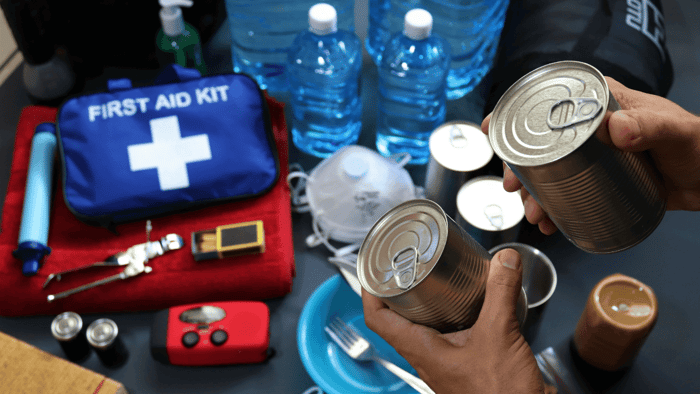
An earthquake emergency kit should support your household if roads, power, water, or stores are disrupted. Begin with at least several days of supplies, then work toward a two-week supply when your space and budget allow. Official guidance commonly uses one gallon of water per person per day as a planning amount.
You do not have to purchase everything at once. Add a few items during regular shopping trips and review expiration dates twice a year.
Water and Food
Include:
- Water, using one gallon per person per day as a planning guideline
- Additional water and food for pets
- Nonperishable food that fits household dietary needs
- A manual can opener
- Basic eating utensils
Store food and water according to manufacturer guidance, and rotate supplies before they expire.
Health, Light, and Communication
Include:
- A first-aid kit
- Personal medications and copies of prescriptions
- Flashlights and extra batteries
- A battery-powered or hand-crank radio
- Charged power banks and charging cables
- A whistle
- Dust masks, work gloves, and sturdy shoes
Do not rely only on your phone. Power, internet access, and cellular service may be limited after a major event.
Sanitation, Documents, and Comfort
Include:
- Moist towelettes, garbage bags, and basic sanitation supplies
- Emergency blankets and warm clothing
- Cash in small bills
- Copies of identification, insurance information, and emergency contacts
- Pet supplies and carriers when needed
- Comfort items for children or household members
- A small tool kit appropriate for your home
Keep critical documents in a portable, water-resistant container and maintain secure digital backups.
5. Create a Family Emergency Plan
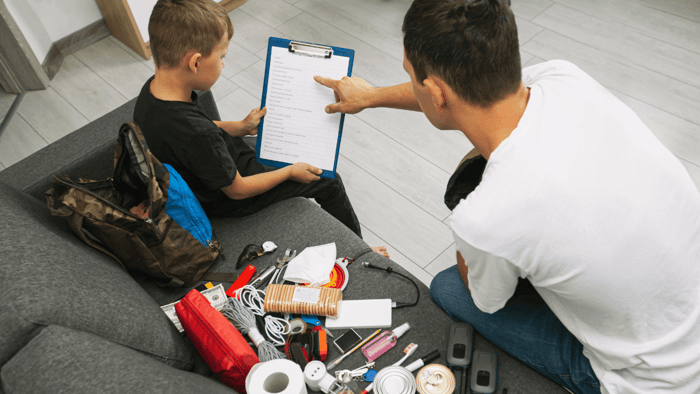
A family emergency plan helps everyone know what to do when household members are separated or local communication is disrupted.
Your plan should include:
- An out-of-area contact everyone can text
- One meeting place close to home
- A second meeting place outside the neighborhood
- School, childcare, workplace, and caregiver emergency procedures
- Plans for pets
- Transportation alternatives
- Support for household members with mobility, sensory, medical, or communication needs
Save emergency contacts in each phone and keep a printed copy with your supplies. Text messages may go through when voice calls are difficult, but follow instructions from local authorities and use emergency lines only for urgent needs.
Review your family emergency plan after a move, school change, job change, or major change in household needs. Earthquake preparedness resources recommend planning for household members with specific medical, mobility, dietary, or communication needs.
6. Protect Documents and Review Insurance
Photograph or record each room and keep an inventory of valuable belongings. Save receipts, serial numbers, and policy information when available. A current inventory can help you identify losses and provide documentation if you need to file a claim.
Standard residential insurance policies in California generally do not cover direct earthquake damage to a home or personal belongings. Earthquake coverage is typically purchased separately.
Review your current policies and ask your insurance provider:
- Is earthquake damage included or excluded?
- What coverage is available for personal belongings?
- What deductible and limits would apply?
- Is additional living expense coverage included?
- What records would be needed for a claim?
Insurance decisions depend on your home, belongings, finances, and policy terms. Review the actual documents rather than relying on general assumptions.
7. Know What to Do After the Shaking Stops
After the shaking:
- Check yourself and others for injuries.
- Expect aftershocks and repeat Drop, Cover, and Hold On when needed.
- Put on sturdy shoes before walking through damaged areas.
- Check for hazards without entering visibly damaged areas.
- Text rather than call when possible so phone lines remain available for emergencies.
- Follow official alerts and local instructions.
If you smell gas, hear gas escaping, or suspect a damaged gas line, leave the area and avoid switches, flames, or anything that could create a spark. Shut off the gas only if you know how and it is safe to do so. Do not turn it back on yourself.
Stay away from downed power lines, damaged masonry, and unstable furniture. Open cabinets carefully because items may fall during aftershocks.
8. Reduce Clutter and Keep Walkways Clear
A practical California earthquake preparedness checklist should include everyday organization. Heavy objects on high shelves, unstable stacks, and blocked walkways can increase household hazards during and after shaking.
Focus on:
- Keeping exits and hallways clear
- Moving heavy belongings to lower shelves
- Removing boxes from areas beside beds or seating
- Donating or discarding items you no longer use
- Limiting tall, unstable stacks
- Keeping emergency supplies easy to reach
- Maintaining a clear path to utility shutoffs
These earthquake safety tips can also make everyday cleaning and movement easier.
When Self-Storage May Help
Self-storage may help when seasonal items, spare furniture, hobby equipment, or other belongings are crowding important walkways and lower-risk storage areas at home. Sort first and move only items you genuinely plan to keep.
A storage unit does not guarantee protection from earthquake damage. Review the facility location, access rules, prohibited items, rental terms, and insurance or tenant protection requirements before deciding what to store.
Keep emergency supplies, medication, original identification, and anything needed immediately at home or in a portable kit. Access to roads, businesses, and storage properties may be limited after an earthquake.
Download the Printable California Earthquake Preparedness Checklist
Prefer to check off each task as you go? Download the free printable checklist and keep a copy with your emergency supplies, on the refrigerator, or in a household planning binder.
Download the Free Earthquake Checklist
FAQs
What Should I Do First When an Earthquake Starts?
Drop to your hands and knees, cover your head and neck, and hold on to a sturdy table or desk when one is available. Stay indoors during the shaking unless your immediate location presents a specific danger.
Is Standing in a Doorway Safer During an Earthquake?
No. Doorways in modern buildings generally do not provide extra protection. Drop, Cover, and Hold On is the recommended action in most situations.
How Much Emergency Water Should I Store?
Use one gallon per person per day as a planning guideline. Start with at least several days and work toward a two-week supply when practical. Include additional water for pets and household medical needs.
Does Homeowners or Renters Insurance Cover Earthquake Damage in California?
Standard residential policies generally exclude direct earthquake damage. Separate earthquake coverage may be available, so review your policy and speak with your insurer about coverage, limits, deductibles, and exclusions.
Can a Storage Unit Be Part of an Earthquake Preparedness Plan?
It may help reduce clutter and clear household walkways when used for nonessential belongings. However, it does not guarantee protection from earthquake damage and should not hold emergency supplies or items you may need immediately.
Build Your Plan One Step at a Time
A California earthquake preparedness checklist is most useful when it becomes part of your normal household routine. Practice the safety action, secure one hazard at a time, build supplies gradually, and review your contacts and insurance before an emergency occurs.
Before you finish, save or print this California earthquake preparedness checklist so the household can revisit it throughout the year.
You do not need a perfect setup to become better prepared. A clear walkway, a stocked kit, a practiced family plan, and secure furniture can all make a meaningful difference.
Ready to create more usable space at home? Explore available storage options and choose a solution that supports your household organization needs.