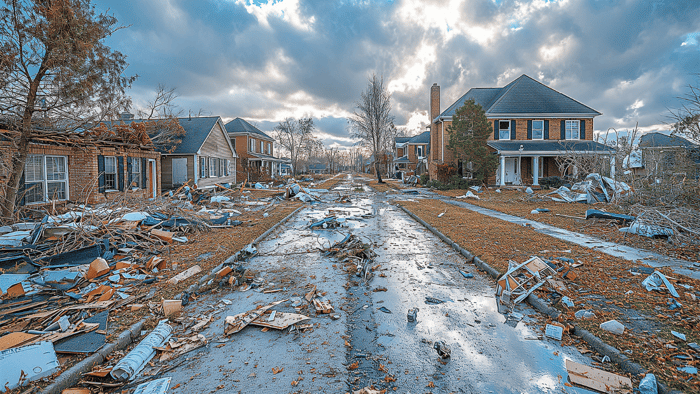

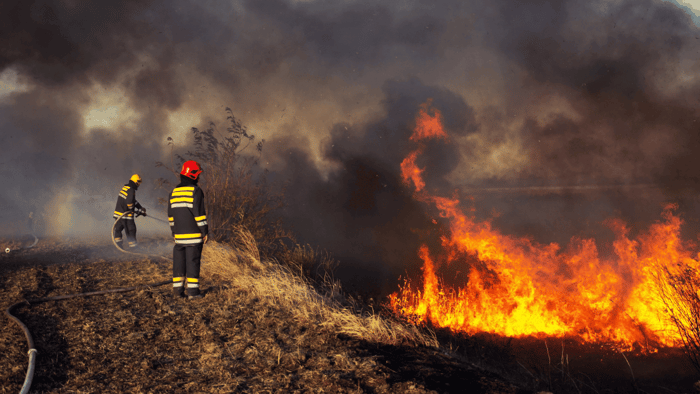
Learning how to protect your belongings from natural disasters starts long before an evacuation order or severe weather warning appears. Wildfires, floods, hurricanes, earthquakes, and other emergencies can disrupt daily life with little notice, so a practical plan can make it easier to act quickly and focus on personal safety.
No storage method can guarantee that belongings will avoid damage during a disaster. However, thoughtful organization, accurate records, appropriate containers, and a clear emergency storage plan can reduce confusion and help you recover more efficiently. Self-storage may support that plan, but it should be treated as one part of a broader disaster preparedness strategy.
Table of Contents
- How to Protect Your Belongings from Natural Disasters Before an Emergency
- 1. Create a Household Inventory
- 2. Protect Important Documents
- 3. Build an Emergency Supply Storage System
- 4. Use Containers That Match the Contents
- 5. Keep Belongings Off the Floor When Practical
- 6. Decide What Belongs in Self-Storage
- 7. Review Insurance and Storage Agreements
- 8. Plan for Evacuation and Limited Access
- 9. Prepare for Recovery Before You Need It
- Common Disaster Storage Mistakes
- FAQs
- Protect Your Belongings from Natural Disasters with a Practical Plan
How to Protect Your Belongings from Natural Disasters Before an Emergency
Start by deciding which belongings are essential, difficult to replace, or needed immediately after an emergency. Trying to protect everything at once can become expensive and overwhelming, so focus first on documents, medication information, basic supplies, sentimental items, and equipment needed for work or daily life.
Create three categories:
- Take with you: Identification, medication, phones, chargers, emergency contacts, and other essentials.
- Store carefully: Records, photographs, seasonal supplies, backup household items, and belongings that are important but not needed during an evacuation.
- Document only: Large furniture, appliances, and other items that may remain at home but should be included in a household inventory.
Keep your plan simple enough to follow under stress. Every household member should know where emergency supplies are located and which items should leave with you.
1. Create a Household Inventory
A household inventory gives you a record of what you own before anything is lost or damaged. Walk through each room and photograph furniture, electronics, tools, recreational equipment, and other valuable belongings. Record serial numbers, model numbers, purchase dates, and receipts when available.
You do not need a complicated spreadsheet. A folder with photos, short notes, and scanned receipts is often enough. Save a copy somewhere other than your home, such as a password-protected cloud account or another location you can access after an emergency.
Update the inventory once or twice a year and after major purchases. This is one practical way to protect your belongings from natural disasters because it helps you document what was affected and provide information when working with an insurance provider.
2. Protect Important Documents
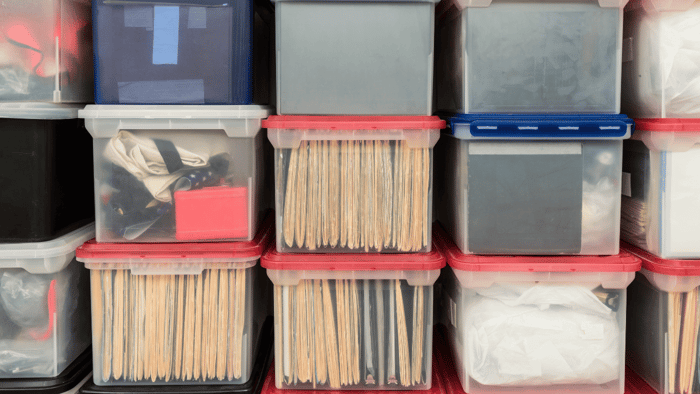
One of the first priorities in an emergency should be to protect important documents that may be difficult to replace. These can include identification records, insurance information, property documents, medical information, financial records, and emergency contacts.
Use a portable, water-resistant document case for records you may need to take with you. Keep digital copies of essential paperwork in a secure account that you can access from another device.
Documents to consider organizing include:
- Identification and passport copies
- Insurance policies and contact information
- Property, lease, or mortgage records
- Medical information and prescription lists
- Vehicle titles and registration records
- Financial account contact information
- Pet records
- Emergency contact lists
- A copy of your household inventory
A container labeled for emergencies should remain easy to reach. Do not bury critical records behind furniture or at the back of a packed storage area.
3. Build an Emergency Supply Storage System
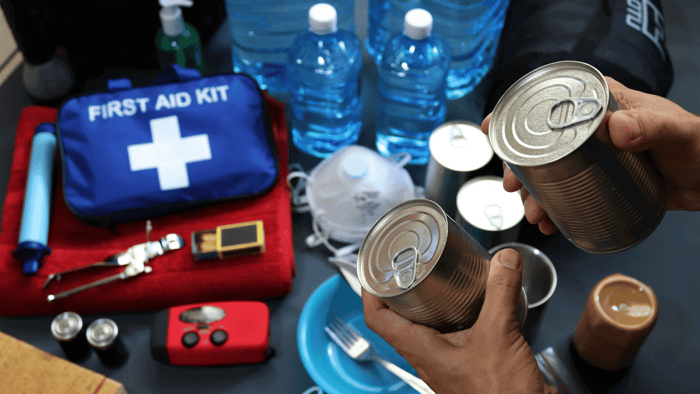
Emergency supply storage works best when supplies are grouped by purpose and checked regularly. Keep food, water, lighting, first-aid materials, sanitation items, backup power supplies, and basic tools in clearly marked containers.
Follow product instructions and local emergency guidance for how much food and water to keep. Review expiration dates and replace items before they become unusable. Store supplies in a location that household members can reach without moving heavy boxes.
A basic organization system might include:
- Food and water: Shelf-stable food, water, a manual can opener, and feeding supplies for pets or infants
- Lighting and power: Flashlights, batteries, charging banks, and necessary cables
- First aid and personal needs: First-aid supplies, hygiene products, masks, and copies of medication information
- Communication: A battery-powered radio, written contacts, and local emergency information
- Cleanup supplies: Gloves, bags, cleaning materials, and basic protective equipment
Keep a smaller evacuation kit separate from your larger home supply. The evacuation kit should contain only what you can carry quickly.
4. Use Containers That Match the Contents
Containers can help with organization, but no container is completely disaster-proof. Choose sturdy options with secure lids for items that may be affected by dust, minor moisture, or movement. Use smaller containers for heavy belongings so they remain manageable.
Before packing:
- Clean and completely dry each item.
- Wrap fragile belongings individually.
- Place heavier items at the bottom.
- Fill empty space so contents do not shift excessively.
- Label at least two sides of each container.
- Record the container number in your inventory.
Avoid describing ordinary plastic bins as waterproof, fireproof, or pest-proof unless the manufacturer specifically makes and supports that claim. For sensitive documents or media, choose products designed for that purpose and follow their use instructions.
5. Keep Belongings Off the Floor When Practical
Keeping containers above the floor can make organization easier and may reduce exposure to minor leaks or surface moisture. Use stable shelving or properly rated pallets when the space and facility rules allow it.
Place heavier containers on lower shelves and lighter belongings higher. Do not create unstable stacks or exceed shelving weight limits. Leave a clear path so you can reach stored items without climbing over boxes.
Elevation is not a guarantee against flooding. Water levels can rise beyond shelves or pallets, and a severe event can affect an entire building. Treat this step as a basic organizational precaution, not complete flood protection.
6. Decide What Belongs in Self-Storage
Self-storage can support a natural disaster storage plan when it helps separate important belongings from an overcrowded home or keeps seasonal items organized. When deciding how to protect your belongings from natural disasters, consider off-site storage only after reviewing the risks, access rules, and insurance terms.
It should not be assumed that a storage facility is outside every risk area or able to protect belongings from every type of disaster.
Before storing anything off-site, consider:
- The facility’s location and known regional hazards
- The building type and unit location
- Access rules during closures or emergencies
- Items prohibited by the rental agreement
- Whether the belongings are sensitive to temperature or humidity
- Your insurance coverage and exclusions
- How quickly you may need the items
Do not place evacuation essentials, original identification, medication, or anything you may need immediately in a storage unit. Access may be limited during an emergency.
Use off-site storage for belongings that support recovery but are not required during evacuation, such as backup household supplies, seasonal equipment, duplicate work materials, or carefully packed sentimental items.
7. Review Insurance and Storage Agreements
Insurance terms vary, and a storage rental agreement does not automatically mean the facility is responsible for damage to stored belongings. Review your homeowners, renters, business, or separate storage coverage before deciding what to store.
Ask your insurance provider:
- Whether off-site belongings are covered
- Which disasters or causes of loss are excluded
- Whether coverage limits apply
- What documentation may be required for a claim
- Whether high-value items need separate coverage
Keep current policy information with your emergency records. Your inventory, photos, and receipts may also help if you need to document a loss.
This review is an important part of any emergency storage plan because it helps you understand the difference between physical storage and financial protection.
8. Plan for Evacuation and Limited Access
During a wildfire, flood, hurricane, or other emergency, personal safety comes first. Follow evacuation instructions from local authorities and do not delay leaving to move furniture or retrieve nonessential belongings.
Prepare a short checklist for the items you would take if time allows:
- Emergency kit
- Medication and medical equipment
- Identification and essential documents
- Phones, chargers, and backup batteries
- Clothing and personal care items
- Pet supplies
- Keys and transportation information
Assume that roads, homes, businesses, and storage facilities may be temporarily inaccessible. Keep essential information available digitally and store copies of important contact details with a trusted person when appropriate.
9. Prepare for Recovery Before You Need It
Recovery can involve temporary housing, cleanup, insurance communication, replacing necessities, or reopening a business. Organizing a few backup supplies before an emergency may reduce pressure during the first days of recovery.
Consider keeping:
- Basic clothing and toiletries
- Copies of household and insurance records
- Backup work equipment or records
- Spare bedding and towels
- Essential pet supplies
- A list of important account and service contacts
Check these items regularly so they remain usable and appropriate for your household. If they are stored off-site, label them clearly and keep them near the front.
The goal is not to prepare for every possible outcome. It is to make the first steps after an emergency more manageable.
Common Disaster Storage Mistakes
Avoid these common mistakes when preparing belongings:
- Assuming a storage unit is immune to local disasters
- Keeping original documents where they may be inaccessible
- Storing emergency supplies without checking expiration dates
- Packing damp items in sealed containers
- Using containers that are too heavy to move
- Creating unstable stacks
- Failing to photograph or inventory valuable belongings
- Ignoring insurance exclusions
- Leaving medication or evacuation essentials off-site
- Waiting until an emergency warning to begin organizing
Knowing how to protect your belongings from natural disasters also means reviewing the plan regularly. Set a reminder twice a year to check supplies, records, contact information, and stored belongings.
FAQs
Can a storage unit protect belongings during a natural disaster?
A storage unit may provide additional separation and organization, but it cannot guarantee protection from fire, flooding, earthquakes, wind, or other events. Evaluate the facility, regional risks, rental terms, and insurance coverage before storing important belongings.
What items should not go into off-site storage?
Do not store medication, original identification, evacuation supplies, irreplaceable records, or anything you may need immediately. Also review the facility’s prohibited-items policy before packing.
Are plastic containers better than cardboard boxes?
Sturdy plastic containers can be easier to stack and may offer more resistance to minor moisture and dust. However, they are not automatically waterproof or fireproof. Choose containers based on the contents and the manufacturer’s specifications.
How can I protect important documents during an emergency?
Keep essential originals in a portable case that you can take during an evacuation, and maintain secure digital copies. Include insurance information, identification records, medical information, and emergency contacts.
Should emergency supplies be kept in a storage unit?
Supplies needed during an evacuation should remain immediately accessible at home or in a portable kit. Backup household supplies that are not urgently needed may be suitable for off-site storage, depending on access and facility rules.
How often should I review my disaster plan?
Review it at least twice a year and after major household changes. Update contact information, insurance documents, expiration dates, inventories, and the needs of children, older adults, pets, or anyone requiring additional assistance.
Protect Your Belongings from Natural Disasters with a Practical Plan
The most effective way to protect your belongings from natural disasters is to prepare before an emergency begins. Create an inventory, organize essential records, store supplies carefully, understand your insurance coverage, and keep evacuation items within reach.
Self-storage can support disaster preparedness, but it should never replace evacuation planning, emergency supplies, official guidance, or appropriate insurance. Use it thoughtfully for belongings that do not need to travel with you and organize the space so important items remain easy to identify.
Ready to create a more organized preparedness plan? Explore available storage options and choose a solution that fits your household needs.