
Table of Contents
- What Is Standard Storage?
- What Is Climate-Controlled Storage?
- Climate-Controlled vs. Standard Storage at a Glance
- What Items May Benefit From Climate-Controlled Storage?
- When Is Standard Storage Enough?
- Your Local Climate Matters
- Does Climate-Controlled Storage Prevent Moisture Damage?
- Is Climate-Controlled Storage Worth the Additional Cost?
- Questions to Ask Before Choosing a Storage Unit
- Climate-Controlled vs. Standard Storage: How to Choose
- FAQs
- Compare Your Available Storage Options
Choosing a storage unit is not only about finding the right size. You may also need to decide between different types of storage environments. Understanding climate-controlled vs standard storage can help you choose an option that makes sense for your belongings, how long you plan to store them, and the conditions in your area.
Neither option is automatically better for every renter. Standard storage can be perfectly suitable for many everyday belongings, while climate-controlled storage may be worth considering for items that are more sensitive to temperature changes or environmental conditions.
The key is understanding the practical differences before you rent.
What Is Standard Storage?
Standard storage units provide a dedicated space for your belongings without the added environmental controls associated with climate-controlled storage.
Depending on the facility, standard units may be located indoors or have exterior drive-up access. Because the storage environment is not actively regulated in the same way as a climate-controlled unit, temperatures inside the unit can change along with outdoor conditions.
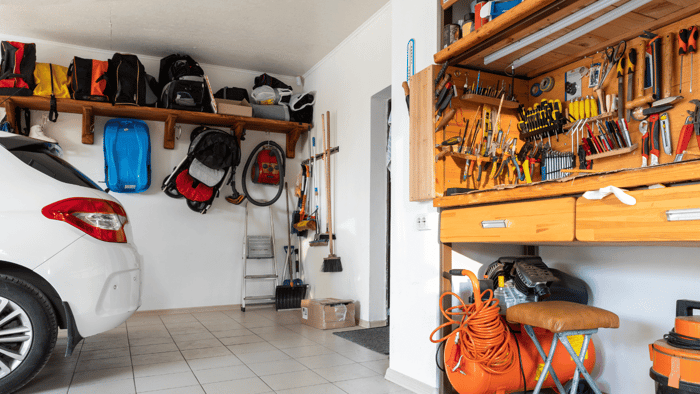
Standard storage is often a practical choice for durable household belongings that are not especially sensitive to temperature changes.
Common examples may include:
Outdoor equipment
Tools
Patio furniture
Bicycles
Durable plastic household items
Some furniture
Moving boxes containing everyday belongings
However, the right choice depends on what you are storing, your local climate, and the amount of time your belongings will remain in storage.
What Is Climate-Controlled Storage?
Climate-controlled storage is designed to provide a more regulated indoor environment than a standard storage unit.
Exactly what "climate-controlled" means can vary by property. Some facilities primarily regulate temperature, while others may manage additional environmental conditions. Because specifications differ, it is always worth asking the individual facility what its climate-controlled units include.
These units are commonly located inside a building and can be useful for belongings that may be more vulnerable to prolonged heat, cold, or temperature fluctuations.
Climate-controlled storage does not make belongings immune to damage, and renters should still pack and prepare items carefully.
Climate-Controlled vs. Standard Storage at a Glance
Standard Storage | Climate-Controlled Storage | |
Environment | Changes more closely with outdoor conditions | More regulated indoor environment |
Access style | May include indoor or drive-up units | Commonly located indoors |
Best suited for | Durable, less temperature-sensitive items | Items more sensitive to environmental changes |
Cost | Often less expensive | May cost more because of added environmental controls |
Availability | Common at many storage properties | Varies by facility |
Consider for long-term storage | Depends on the item and local climate | May be helpful for sensitive belongings |
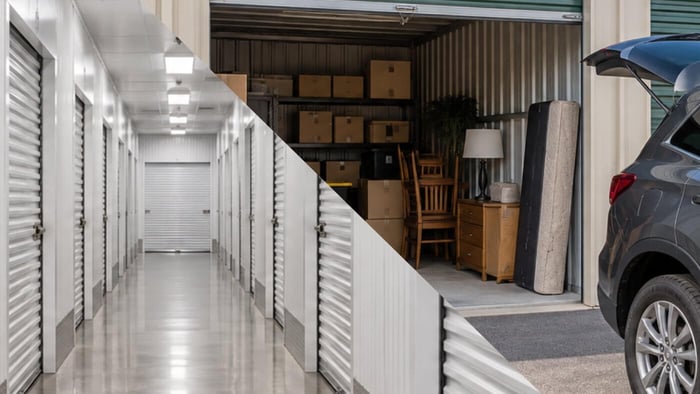
One important distinction is that indoor storage does not necessarily mean climate-controlled. A unit can be located inside a building without having regulated temperature or environmental conditions.
What Items May Benefit From Climate-Controlled Storage?
Some belongings are more sensitive to prolonged temperature changes than others.
Climate-controlled storage may be worth considering when storing items such as wooden furniture, electronics, photographs, artwork, musical instruments, books, important documents, certain collectibles, or other belongings made from sensitive materials.
For example, wood can expand and contract as environmental conditions change. Paper items and photographs can also be affected by prolonged exposure to unfavorable conditions.
That does not mean every item in these categories requires climate-controlled storage. Consider the item's value, construction, condition, expected storage duration, and the climate where the facility is located.
For something inexpensive that will only be stored briefly, a standard unit may be completely reasonable. An heirloom piece of furniture being stored for a year may lead to a different decision.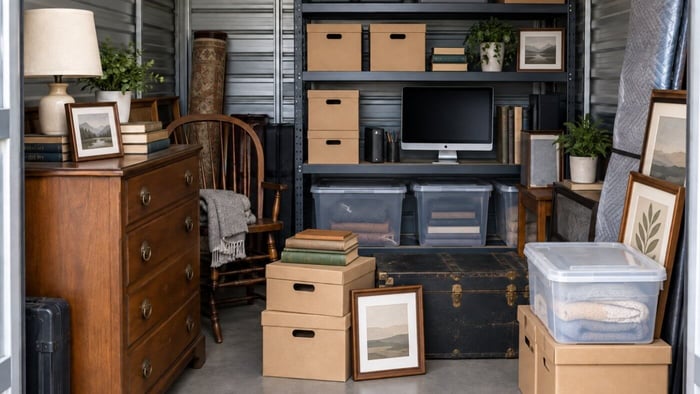
When Is Standard Storage Enough?
Climate control can be useful, but many renters do not need it for everything they store.
Standard storage may be sufficient when your belongings are durable, properly packed, and not particularly sensitive to temperature fluctuations.
It can be especially practical for items such as lawn equipment, bicycles, outdoor furniture, tools, sporting equipment, durable household goods, and many of the items people temporarily store during a move or renovation.
Storage duration matters too. Someone storing durable belongings for a few weeks during a move may have different needs than someone storing a collection for several years.
Before automatically choosing the more specialized option, ask yourself: What am I actually storing?
Consider the materials involved. Wood, paper, electronics, fabrics, plastics, metal, and other materials can respond differently to their environment.
How valuable or difficult would the item be to replace? Replacement cost is not the only consideration. Sentimental belongings may deserve additional care even when they have little monetary value.
How long will the items remain in storage? A short-term storage situation may involve less prolonged environmental exposure than a long-term one.
These questions can help you determine whether paying for climate-controlled storage provides a meaningful benefit for your situation.
Your Local Climate Matters
Location can play an important role when comparing climate-controlled vs standard storage.
Areas that experience prolonged periods of high heat, freezing temperatures, or significant seasonal changes may create different storage considerations than locations with relatively moderate conditions.
Think about what your belongings could experience during the hottest and coldest parts of the year, not only the weather on your move-in date.
If you plan to store items for several months, they may remain in the unit through more than one season.
This is particularly important when storing temperature-sensitive belongings or items made from materials that may react to environmental changes.
Because storage facilities operate in many different climates, avoid assuming that advice for one region automatically applies everywhere.
Does Climate-Controlled Storage Prevent Moisture Damage?
Not necessarily. "Climate-controlled" is not a universal technical standard across every self-storage facility, and environmental controls can differ from one property to another.
Temperature regulation and humidity management are also not always the same thing.
If moisture or humidity is an important concern for the belongings you are storing, ask the facility specifically what environmental controls its units provide.
Regardless of unit type, belongings should always be completely dry before they are packed and placed into storage.
Avoid packing wet furniture, damp clothing, recently cleaned rugs, or other items that still contain moisture.
Is Climate-Controlled Storage Worth the Additional Cost?
The answer depends on the value and sensitivity of what you are storing.
Instead of asking whether climate control is "worth it" in general, consider whether it adds meaningful value for your particular belongings.
For example, paying more to store replaceable plastic patio accessories may not make sense. Paying more to store family photographs, sensitive electronics, or valuable wooden furniture could be easier to justify.
You can also divide your belongings.
Not everything you own necessarily needs to be stored in the same type of unit. Depending on available options, some renters may choose climate-controlled storage for sensitive belongings while keeping more durable items elsewhere.
Questions to Ask Before Choosing a Storage Unit
Before making your decision, ask the facility a few specific questions:
Are climate-controlled units available at this location?
What does "climate-controlled" mean at this particular facility?
Are the units temperature regulated only, or are other environmental conditions managed?
Are standard units indoors, outdoors, or both?
Does the facility offer drive-up units?
Are there restrictions on what can be stored?
What unit sizes are available in each type?
How does pricing compare between available options?
These questions are particularly useful because storage features vary considerably from one property to another.
Climate-Controlled vs. Standard Storage: How to Choose
For most renters, the decision comes down to three things: the belongings, the environment, and the storage timeline.
Consider climate-controlled storage when you have items that are particularly sensitive to temperature changes, difficult to replace, sentimental, or expected to remain in storage for an extended period.
Standard storage may be a better fit when your belongings are durable, your storage period is relatively short, or environmental regulation is not an important concern for the items you are storing.
Most importantly, choose based on your actual needs rather than assuming the more expensive option is automatically the better one.
FAQs
Is climate-controlled storage better than standard storage?
Not necessarily. Climate-controlled storage provides a more regulated environment, but standard storage can be suitable for many durable belongings. The better choice depends on what you are storing, how long it will be stored, and your local climate.
Do I need climate-controlled storage for furniture?
It depends on the furniture. Wooden, antique, upholstered, or particularly valuable pieces may benefit from a more regulated environment, especially during long-term storage. Durable furniture stored temporarily may not require climate control.
Are all indoor storage units climate controlled?
No. An indoor storage unit may simply mean the unit is located inside a building. Always confirm whether the specific unit includes climate control.
Do climate-controlled units control humidity?
Not always. Temperature control and humidity control are different features. Ask the individual storage facility what conditions its climate-controlled units regulate.
Is climate-controlled storage more expensive?
Climate-controlled units may cost more than comparable standard units because of the additional building systems involved. Pricing varies by facility, unit size, market, and availability.
How do I know which storage type my belongings need?
Consider the materials you are storing, their replacement or sentimental value, expected storage duration, and your local climate. The storage facility can also explain the options available at that location.
Compare Your Available Storage Options
The best storage unit is the one that fits both your belongings and your situation.
Before renting, review the available unit types at your local storage facility and consider which belongings may benefit from a more regulated environment. If you are unsure, ask the facility team to explain the differences between the available options so you can make an informed decision.
Availability, features, environmental conditions, and unit types vary by storage facility. Climate-controlled storage does not guarantee protection against temperature changes, humidity, moisture, or damage. Renters should confirm individual facility features and prepare belongings appropriately before storage.
Content & Image Disclosure: This article was developed with AI assistance and reviewed and edited by our team for accuracy and relevance. Some images may be AI-generated or digitally enhanced for illustrative purposes and may not depict an actual facility, unit, or available feature. Facility features, availability, policies, and storage options vary by location.